The Raid
Officers went in while the bar was still open.
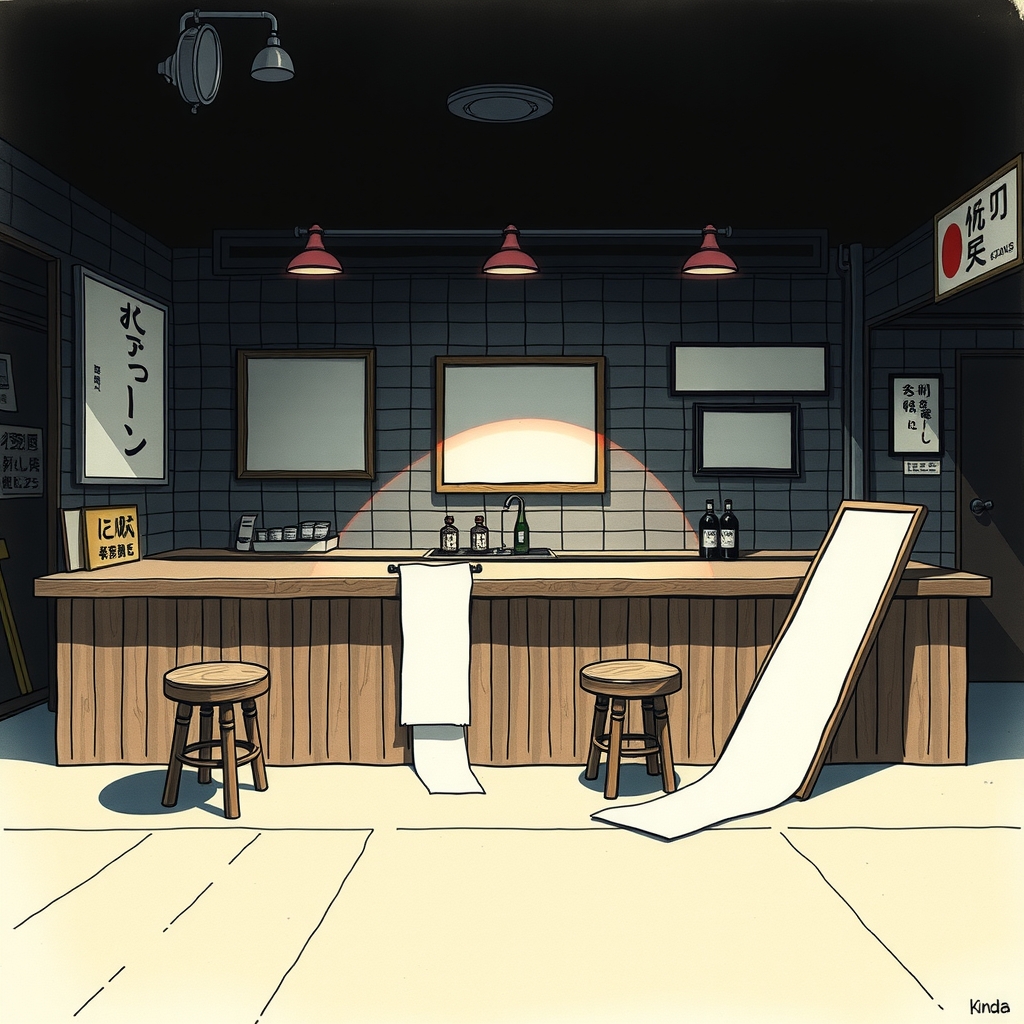
Miyagi Prefectural Police searched a girls bar called Diamond in Kokubuncho 2-chome, Aoba Ward, Sendai, on the night of August 25 into the early hours of August 26, 2026, and arrested four people on suspicion of violating the Businesses Affecting Public Morals Regulation Act (fuei-ho) — specifically, running a hospitality business without a license.
The four, as named by Kahoku Shimpo and Sendai Broadcasting:
- Ran Kato, 27, a restaurant operator from Tatsutacho in Aoba Ward, described by investigators as the bar's owner
- Ryusei Kato, 26, unemployed, of Aoba Ward — Kato's younger brother, according to Miyagi Television
- Tomoyuki Tosaka, 43, self-employed, of Mukoyama in Taihaku Ward
- Riri Suzuki, 22, a food-service employee from Kimachidori in Aoba Ward, described as the bar's manager
Police say the three men conspired to run the bar without a license from the Miyagi Prefectural Public Safety Commission, seating employees beside customers to pour drinks and keep them company on the night of June 26 into June 27, 2026. Suzuki is accused of doing the same work at the unlicensed venue on August 25 — the night of the raid.
Investigators seized 51 items, including receipts, accounting slips and menu sheets. Sendai Central Police Station did not say whether any of the four admit or deny the allegations, citing the risk of interfering with the investigation.
What Made It a Crime
The bar was not accused of selling sex, and nothing in the case concerns what happened between staff and customers beyond a table.
The charge turns on a narrow line in Japanese licensing law. A bar can serve drinks late at night on nothing more than a notification filed with police — the category is shinya shurui teikyo inshokuten eigyo, a late-night liquor-serving eatery. The moment staff stop working behind a counter and sit down next to customers to entertain them, the business becomes something else. That conduct is settai — hospitality — and under the fuei-ho it converts the venue into a Category 1 adult-entertainment business requiring a prefectural Public Safety Commission license.
Girls bars occupy exactly that seam. Many operate legally by keeping staff on the far side of the bar. Police say Diamond did not.
Operating without the license carries up to two years' confinement, a fine of up to ¥2 million, or both.
Why Police Were Looking
The case did not start with a licensing audit. It started with customers.
Sendai Central Police Station had received several complaints of overcharging at the bar, according to Kahoku Shimpo and TBC Tohoku Broadcasting, with intoxicated customers described as the targets. Miyagi Television reported that a customer's complaint about "being asked for a high bill" prompted the investigation that produced the fuei-ho charge.
That sequence — a billing dispute that ends in a licensing arrest — is the standard shape of these cases in Japan. Overcharging at a nightlife venue, what Japanese calls bottakuri, is difficult to prosecute directly: a customer who signed for the bill and cannot reconstruct the evening is a poor witness. An unlicensed-operation charge requires proving only that staff sat down and served, on a specific date, without a piece of paper on file. It is the charge that sticks, and the seized receipts are what the rest of the case will be built from.
The bar had been open since June 2025.
| Detail | As reported |
|---|---|
| Date | August 26, 2026 |
| Agency | Sendai Central Police Station, Miyagi Prefectural Police |
| Venue | Girls bar "Diamond," Kokubuncho 2-chome, Aoba Ward, Sendai |
| Arrested | Ran Kato, 27; Ryusei Kato, 26; Tomoyuki Tosaka, 43; Riri Suzuki, 22 |
| Charge | Suspicion of violating the fuei-ho (operating a hospitality business without a license) |
| Alleged conduct | Seating employees beside customers to serve drinks without a Public Safety Commission license — the three men on June 26–27, 2026; Suzuki on August 25, 2026 |
| Seized | 51 items, including receipts, accounting slips and menu sheets |
| Trigger | Several complaints of overcharging, with drunk customers said to be targeted |
| Opened | June 2025 |
| Plea | Not disclosed by police |
| Under investigation | Whether proceeds flowed to an organized crime group |
The Question Police Have Not Answered
Investigators told reporters they are examining who actually ran Diamond, and whether money from the bar reached a criminal organization — including a tokuryu, the term Japanese police use for anonymous, fluid-type crime groups that assemble online without the fixed membership of a boryokudan.
That line of inquiry is not incidental to the district. In May, Kahoku Shimpo reported that aggressive touting in Kokubuncho — the largest entertainment quarter in the Tohoku region — had been rising, with one customer led from venue to venue and billed more than ¥1 million. Miyagi police said at the time that they believed tokuryu groups were operating in the area and that touts were arriving from across Japan.
Sendai's response has been visible on the sidewalk. On June 2, 2026, the city put twelve contracted security guards — hired through a Tokyo firm with experience patrolling Roppongi, many of them with combat-sports backgrounds — on patrol through the touting-prohibited zones around Kokubuncho and JR Sendai Station, Tuesday through Saturday, from 4 p.m. to 11 p.m. Under the Sendai City ordinance prohibiting touting, a solicitor who ignores a warning faces a fine of up to ¥50,000, and the city publishes the names of violators and the businesses they work for.
Guards on the street address the approach. They do not address the bill.
Not the First Bar on This Street
Diamond is the second Kokubuncho girls bar raided this year on the same statute.
On May 12, 2026, Miyagi police searched another bar in the district and arrested three people on suspicion of unlicensed hospitality operation: the operator, Mitsuya Sasaki, 46; the manager, Takaaki Nagai, 38; and a 17-year-old high school student from Iwate Prefecture who had been installed as the venue's nominal person in charge. Police alleged the bar had seated employees beside customers without a license on April 11 and had knowingly employed a girl under 18.
The Sendai District Public Prosecutors Office declined to indict the 17-year-old, citing insufficient evidence — it had not, it said, gathered proof adequate to sustain a prosecution. The two men were indicted on May 29.
Read together, the two cases describe the same structure twice: a bar whose paperwork does not match what happens at the table, and a person on the license who is not the person collecting the money. In May it was a teenager. This week, police say, it is a question they are still working on.
An arrest is not a conviction, and none of the allegations described here has been tested in court.
This article is compiled from Japanese reporting published on August 26, 2026: Kahoku Shimpo, which reported the four arrests, the names, ages and residences of the suspects, the June 26–27 and August 25 alleged conduct, the 51 seized items, the overcharging complaints and the bar's June 2025 opening; TBC Tohoku Broadcasting, which reported that the complaints prompted the case, that police did not disclose the suspects' responses, and that investigators are examining the bar's actual management and possible tokuryu or boryokudan ties; Sendai Broadcasting, which reported the timing of the overnight search and the seizure of receipts and menu sheets; and Miyagi Television, which reported the relationship between the two Kato suspects and the customer complaint that triggered the investigation. Background on touting in Kokubuncho and the ¥1 million-plus case is from Kahoku Shimpo reporting of May 2026; the city's security-guard patrol program and the ¥50,000 ordinance penalty are from Kahoku Shimpo and Sendai municipal materials. The May 2026 girls bar case and the subsequent charging decisions are as reported by TBC Tohoku Broadcasting, Sendai Broadcasting and Iwate Nippo. Legal gloss: the Businesses Affecting Public Morals Regulation Act (fuei-ho) licenses and regulates adult-entertainment and hospitality businesses, and requires a prefectural Public Safety Commission license once staff provide settai — seated hospitality — to customers; the Anti-Prostitution Act (baishun boshi-ho) criminalizes solicitation, brokerage and the provision of premises for prostitution and is not at issue in this case.